A stress-free wedding timeline will never be the exciting part of planning. Nobody pins it. Nobody posts it.
But it’s the single biggest reason a wedding day feels calm or chaotic. A good timeline gives you room to breathe, keeps your vendors on the same page, and quietly protects the moments you’ll want photographs of forever.
Here’s how I help couples build a stress-free wedding timeline that actually works, step by step. If you want ready-made examples to compare, I’ve also put together sample schedules for every type of wedding.
Start With Three Anchor Times
Before you plan anything else, lock in three times:
- Ceremony start time. Everything else is built around this.
- Sunset. Look up the exact time for your date and location. This determines when golden hour portraits happen.
- Venue end time. Including any hard cutoffs for music, vendors, or load-out.
Once those three are set, the rest of the day fills in around them.
A Sample Stress-Free Timeline
Here’s an example for a 5:00 PM ceremony with sunset around 7:30 PM, with a first look. Adjust to your own day.
11:00 AM – Hair and Makeup Underway
Your photographer typically doesn’t need to arrive at the very start. Most of the meaningful getting-ready moments happen in the last ninety minutes.
1:00 PM – Photographer Arrives, Details
I’ll photograph your dress, rings, invitation suite, shoes, florals, and heirlooms. Have everything gathered in one box or bag so no one is searching for the second earring.
1:45 PM – Partner Getting Ready
A quick visit to capture the other side of the morning: buttoning cuffs, a letter being read, a toast with groomsmen.
2:15 PM – Getting Dressed
Give this thirty minutes. Buttons, bustles, and veils always take longer than expected.
2:45 PM – First Look and Couple Portraits
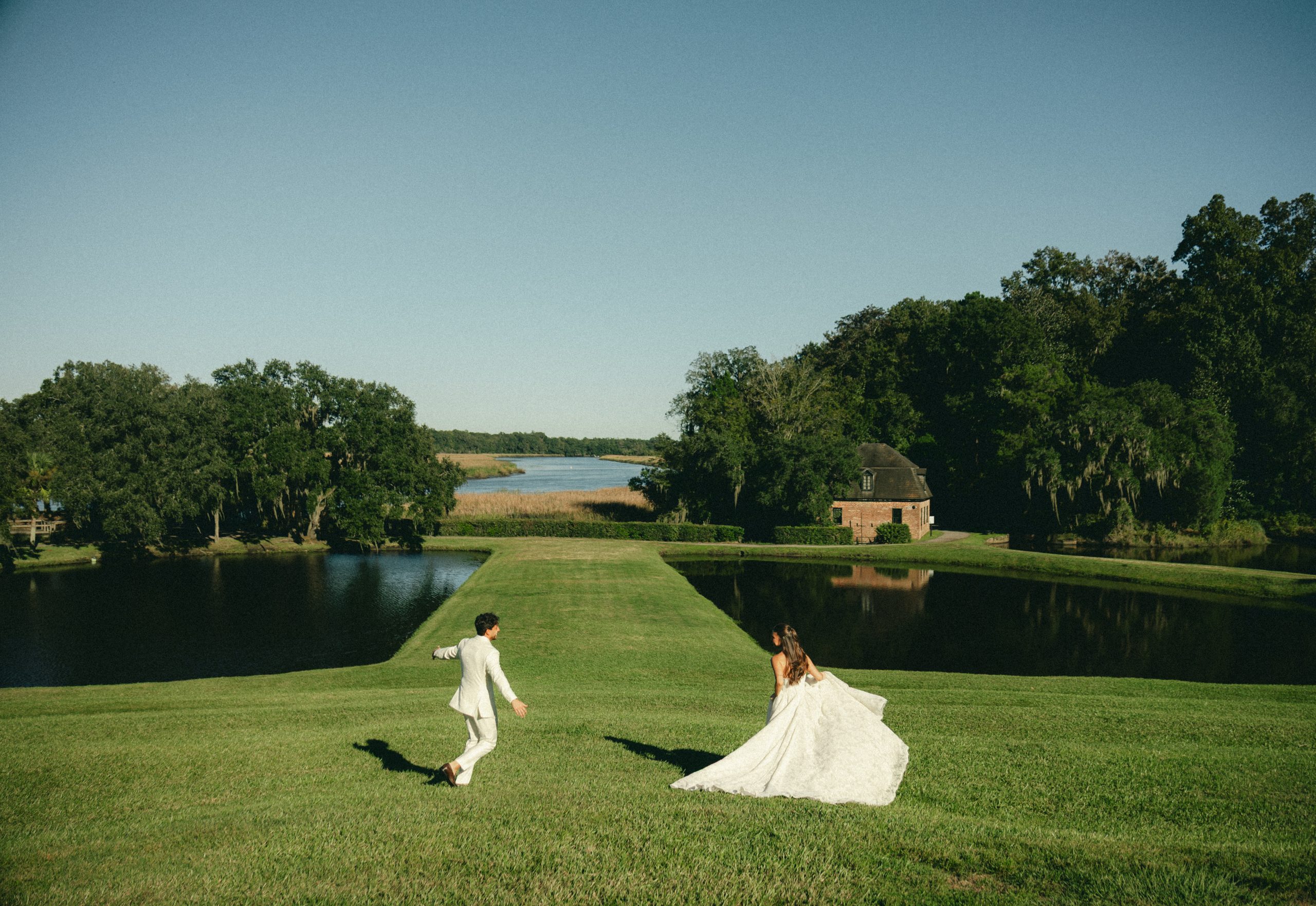
A first look gives you a private moment before the day picks up speed, and it means most portraits are done before the ceremony. Plan about forty-five minutes.
3:30 PM – Wedding Party Photos
Generally, thirty minutes is plenty for a mix of full group, smaller groupings, and candids.
4:00 PM – Immediate Family Formals
If family is available, knock out some formals before the ceremony. Fewer people to round up later.
4:30 PM – Tuck Away
This is the buffer. Hide from arriving guests, touch up, drink some water, eat a snack. It almost always gets used.
5:00 PM – Ceremony
In general, ceremonies run twenty to thirty minutes.
5:30 PM – Remaining Family Photos, Cocktail Hour
Finish any extended family groupings, then join your guests.
6:30 PM – Grand Entrance, First Dance, Dinner
Grouping your formal moments at the start of the reception means you can relax for the rest of the night.
7:00 PM – Toasts
Also, doing toasts during dinner keeps the evening moving.
7:15 PM – Golden Hour Portraits
Step away for ten to fifteen minutes. This is the softest light of the day, and the images are often the favorites in a gallery.
7:30 PM – Parent Dances, Cake Cutting, Open Dancing
Finally, let the party take over.
10:00 PM – Exit
Sparklers, petals, or a getaway car, whatever feels like you.
Where Couples Usually Run Behind
After a lot of weddings, these are the moments that consistently take longer than people think:
- Hair and makeup. Build in at least thirty extra minutes.
- Getting dressed. Especially with buttons, corsets, or a cathedral veil.
- Family photos. Every missing aunt costs three minutes. Assign a wrangler.
- Travel between locations. Add fifteen minutes to whatever the map says, more in Charlotte traffic.
- Receiving lines. Lovely, but they can take forty-five minutes with a big guest list.
First Look or No First Look?
Both work. A first look frees up your cocktail hour and takes pressure off the day. Without one, portraits, wedding party, and family photos all happen after the ceremony, so you’ll need a longer cocktail hour or a later sunset.
The key is choosing on purpose and building the timeline to match.
Tips for a Stress-Free Wedding Timeline
- Share one master timeline with every vendor, your wedding party, and your family point people.
- Assign a point person for questions so they don’t all come to you.
- Eat breakfast and lunch. Seriously.
- Plan a few minutes alone together right after the ceremony. Even five minutes makes a difference.
- Have a weather plan with times that still work if things move indoors.
A Good Wedding Planner Is Key
Here’s something I’ll say to every couple: a good wedding planner is one of the best investments you can make in a stress-free wedding timeline.
Not just someone to hold the clipboard. A great planner builds the timeline with you, confirms every vendor arrival, keeps the day moving when something runs late, and solves problems before you ever hear about them. They’re the reason you can actually be present on your wedding day instead of managing it.
If your venue includes a coordinator, ask exactly what they handle on the day itself. Venue coordinators are wonderful, but their job is the venue. A dedicated planner’s job is you.
Surround Yourself With a Great Vendor Team
The smoothest wedding days I’ve photographed all had one thing in common: a team of vendors who were great at their jobs and great at working together.
When your planner, photographer, florist, caterer, hair and makeup artists, and DJ or band trust each other, the timeline almost runs itself. Hair and makeup finishes on time. The coordinator cues the toasts so golden hour isn’t missed. The DJ knows to hold the first dance until the photographer is in place. Those small handoffs add up to a day that feels calm instead of rushed.
- Ask vendors who they love working with. Great vendors know other great vendors.
- Look for experience at your venue, or at least with weddings of your size and style.
- Share one master timeline with everyone, and make sure your planner is the point of contact on the day.
- Book your core team early, especially your planner and photographer, since the best ones fill their calendars first.
Need a starting point? Here are my go-to Charlotte wedding vendors, the planners, florists, and pros I trust most.
Let Your Photographer Help
I help every couple build their timeline, because I’ve seen what works and what doesn’t, and because the right schedule makes your photos better. If you’re early in planning, my guide on the best month to get married in Charlotte can help you think through light and weather too.
A well-built timeline doesn’t make the day rigid. It makes it free.
Now booking 2027 & 2028 weddings. Check your date →

Comments +