When you start comparing wedding photographers, two words come up again and again: documentary and editorial. Choosing between documentary vs. editorial wedding photography is one of the biggest decisions you’ll make about how your day is captured, and the two approaches feel very different.
They can start to blur together. And because every photographer describes their work a little differently, it can be hard to know what you’re actually looking at, or what you actually want.
So let’s break it down: what documentary and editorial wedding photography actually look like, how they compare, and how a few other popular styles fit in.
Why Your Photography Style Matters More Than You Think
Your photographer’s style shapes more than the look of your gallery. It shapes how your day feels.
A heavily posed photographer will spend more time directing you. A documentary photographer will spend more time out of the way. Neither is wrong. But choosing a style that doesn’t match your personality is one of the fastest ways to end up with photos that don’t feel like you.
Documentary (Photojournalistic)
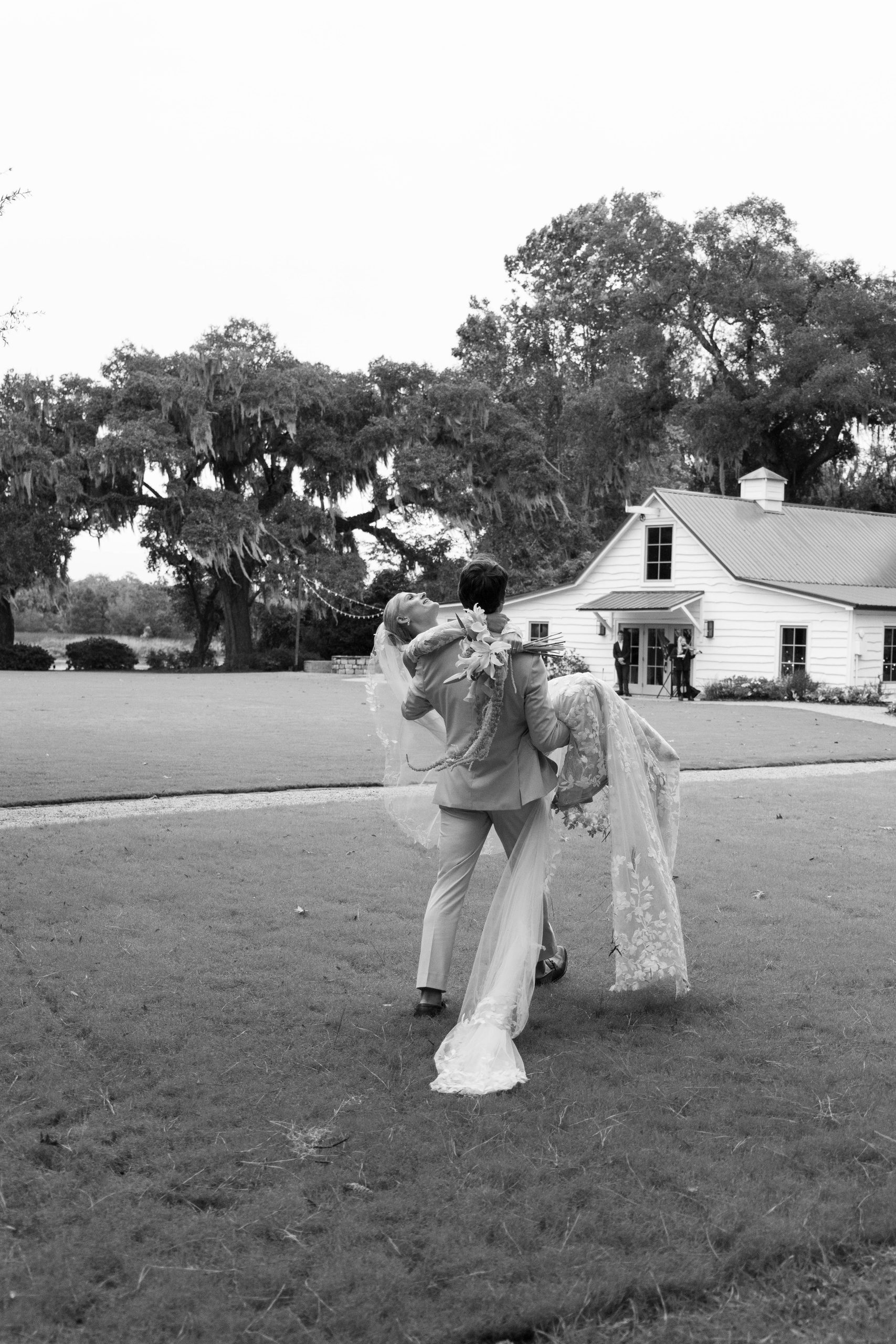
Documentary photography is about capturing the day as it unfolds, with very little direction. Think of it as visual storytelling: the nervous laugh before the ceremony, the flower girl falling asleep under a table, your grandmother wiping her eyes during the vows.
Best for: couples who hate posing, want authentic moments, and care more about how the day felt than how it looked.
Keep in mind: a purely documentary approach may mean fewer polished portraits. Ask to see full galleries, not just highlights.
Traditional (Classic Posed)
Traditional wedding photography focuses on structured, posed images: formal portraits, family groupings, wedding party lineups, and the classic shots everyone expects to see.
Best for: couples with big families, those who want every grouping documented, and anyone planning to print a formal album for parents and grandparents.
Keep in mind: a fully traditional approach can feel stiff. Most modern photographers blend in some posed coverage, especially for family formals.
Editorial
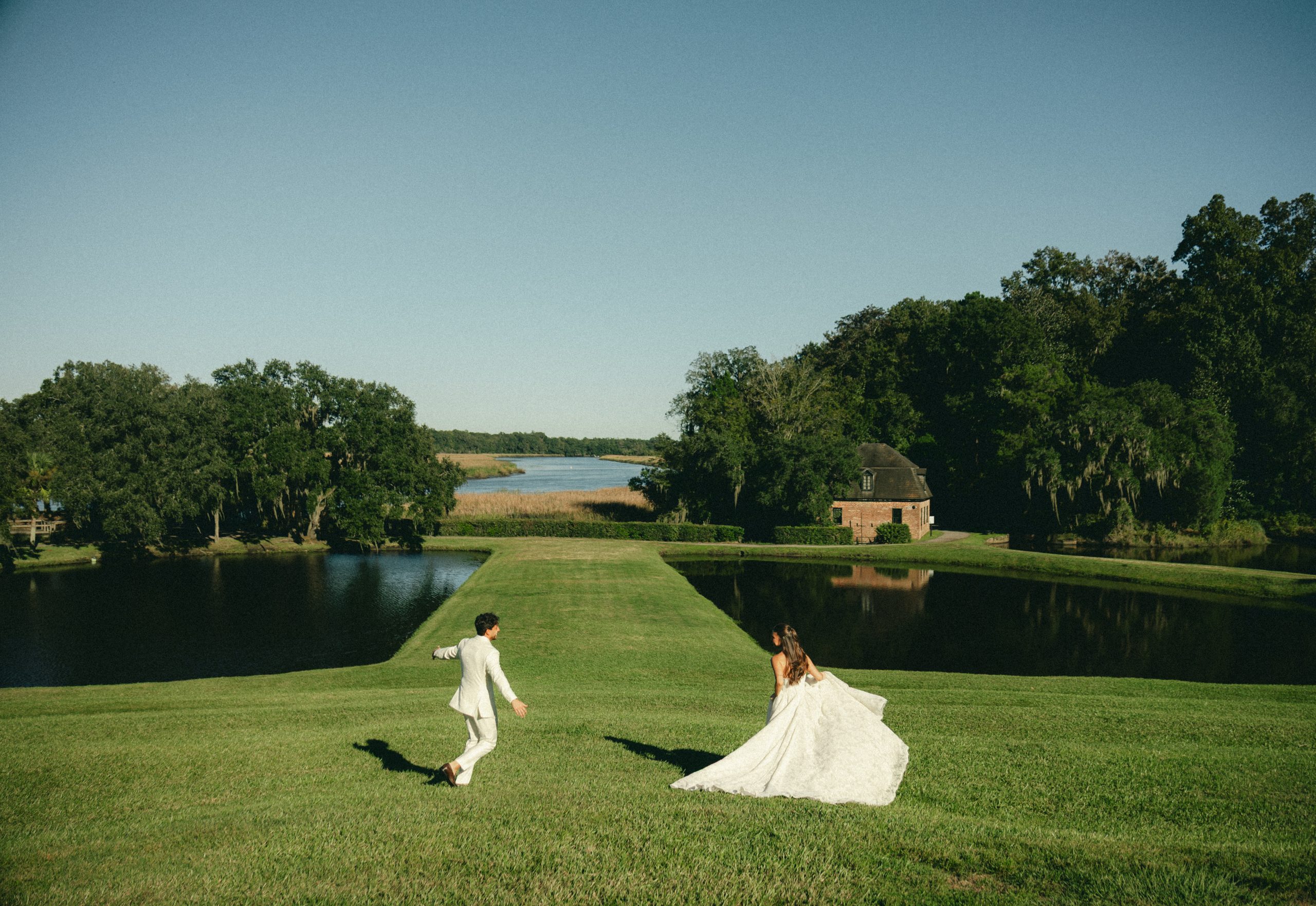
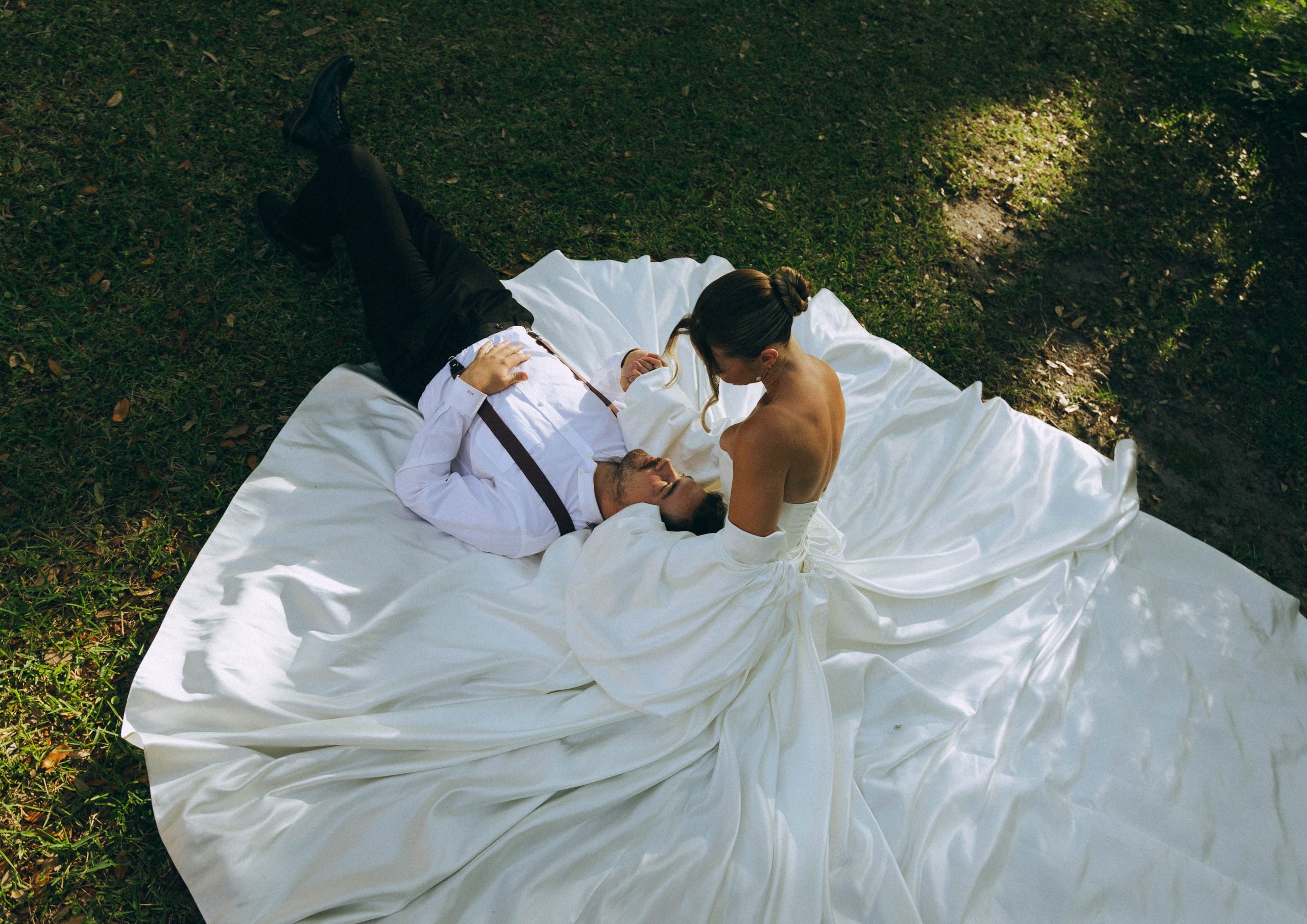
Editorial photography borrows from fashion and magazine work. It’s intentional, styled, and directed, with careful attention to light, composition, and the way fabric moves. Images often feel cinematic, like a still from a film.
Best for: couples who care about design, fashion, and aesthetics, and who want striking portraits worthy of framing.
Keep in mind: editorial portraits take a little more time and trust. The payoff is images that feel elevated rather than snapshot-style.
Documentary vs. Editorial Wedding Photography: Side by Side
Both styles can be beautiful. The difference is mostly in how your photographer spends the day and how much you’ll be directed.
- Direction: documentary photographers observe and rarely step in. Editorial photographers guide posture, light, and movement.
- Feel of the images: documentary feels raw, emotional, and in the moment. Editorial feels polished, cinematic, and fashion-inspired.
- Time needed: documentary needs very little dedicated portrait time. Editorial portraits work best with a protected block in your timeline, ideally near golden hour.
- Best moments: documentary shines during getting ready, the ceremony, toasts, and the dance floor. Editorial shines during couple portraits, bridal portraits, and details.
- Who it suits: documentary suits couples who hate posing. Editorial suits couples who love design and want frame-worthy portraits.
For most couples, the answer isn’t one or the other. A good mix of the two is exactly what I do: documentary while the moments are happening, editorial when it’s time for portraits.
Fine Art
Fine art wedding photography emphasizes beauty and artistry. Soft light, thoughtful composition, and an almost painterly quality are common, and many fine art photographers shoot at least partly on film.
Best for: couples drawn to romantic, ethereal imagery and a gallery that feels curated rather than exhaustive.
Keep in mind: “fine art” is used broadly. Look at how a photographer handles harsh light, dark receptions, and candid moments, not just perfect golden-hour portraits.
Light & Airy vs. Dark & Moody
These describe editing styles more than shooting styles.
Light and airy images are bright, soft, and pastel-leaning, with lots of white and clean skin tones. Dark and moody images have deeper shadows, richer color, and more contrast.
Both can be beautiful. The question is whether the look will still feel right to you in twenty years. Heavily stylized edits tend to date faster than true-to-life color.
Film Photography
Film has made a real comeback, and for good reason. It has a softness, grain, and color that digital can approximate but rarely match. Skin tones glow. Highlights roll off gently. Images feel nostalgic without trying.
Best for: couples who love an heirloom, timeless look and want their photos to feel like a memory.
Keep in mind: film is usually paired with digital for low light and fast-moving moments. I go deeper on this in Film vs. Digital Wedding Photography and why I’m obsessed with film.
Why I Blend Documentary and Editorial Wedding Photography
Here’s the truth: very few photographers fit neatly into one box.
A good mix of documentary and editorial wedding photography is exactly what I do, because I believe it tells the most complete story of your day. During most of the day, I’m quietly capturing what’s happening: the nerves, the laughter, the tears during the toasts. During portraits, I’ll guide you more intentionally, focusing on light, movement, and connection rather than stiff poses. The result is a gallery with honest, emotional moments and polished, frame-worthy portraits. Every gallery includes both film and digital.
When you’re comparing photographers, ask how they divide their time between directing and observing. That answer will tell you more than any label.
How to Find Your Wedding Photography Style
A few simple ways to figure out what you’re drawn to:
- Save images on Pinterest or Instagram for a week, then look for patterns. Are they candid or posed? Bright or rich?
- Look at your favorite photos of your parents’ or grandparents’ wedding. What about them still feels beautiful today?
- Think about how you feel in front of a camera. If posing makes you anxious, lean toward documentary.
- Ask to see full galleries, not just a portfolio. Consistency across a whole day is what you’re really hiring.
For more on what to ask and look for, see my guide on how to choose the right wedding photographer.
The Right Style Feels Like You
At the end of the day, the right photography style is the one that makes you look at your gallery and think, that’s exactly how it felt.
If you’re drawn to photography that feels cinematic, editorial, romantic, and honest, I’d love to hear what you’re dreaming up.
Now booking 2027 & 2028 weddings. Check your date →

Comments +